

Hey there! As a supplier of 30W UFO solar panels, I often get asked if these panels can be used in winter. Well, let's dive right into it and find out.
First off, let's understand how solar panels work. Solar panels convert sunlight into electricity through the photovoltaic effect. When sunlight hits the solar cells in the panel, it knocks electrons loose, creating an electric current. So, the key factor here is sunlight.
In winter, the days are shorter, and the sun is lower in the sky. This means there's less sunlight available for the solar panels to absorb. Additionally, snow and ice can cover the panels, blocking the sunlight and reducing their efficiency. But does that mean a 30W UFO solar panel is useless in winter? Not at all!
One of the advantages of a 30W UFO solar panel is its compact size and relatively high efficiency. These panels are designed to be versatile and can still generate a decent amount of power even in less-than-ideal conditions. They're often used for small-scale applications like powering garden lights, small electronic devices, or charging batteries.
Let's talk about the impact of temperature on solar panel performance. Contrary to what you might think, solar panels actually work better in cooler temperatures. High temperatures can cause the efficiency of solar panels to decrease. In winter, the cooler air can help keep the panels operating at a more optimal temperature, potentially offsetting some of the reduced sunlight.
However, the amount of power a 30W UFO solar panel can generate in winter depends on several factors. The geographical location plays a huge role. If you're in an area with mild winters and plenty of sunny days, the panel will likely perform well. For example, in some southern regions, there can still be enough sunlight in winter to power small devices. On the other hand, if you're in a region with long, dark winters and heavy snowfall, the panel's output will be significantly reduced.
Another factor is the orientation and tilt of the solar panel. To maximize sunlight absorption, the panel should be tilted at an angle that's appropriate for the latitude of your location. In winter, adjusting the tilt angle slightly can help capture more sunlight as the sun is lower in the sky.
Now, let's consider some real-world scenarios. Say you have a small garden with some 30W UFO solar-powered lights. In winter, these lights might not stay on as long as they do in summer, but they can still provide some illumination. The reduced sunlight means the panels won't charge the batteries as quickly, but they can still store enough energy to keep the lights on for a few hours at night.
If you're using a 30W UFO solar panel to charge a battery for a small electronic device, you might need to be a bit more patient. The charging time will be longer in winter, but it's still possible to keep your device powered up.
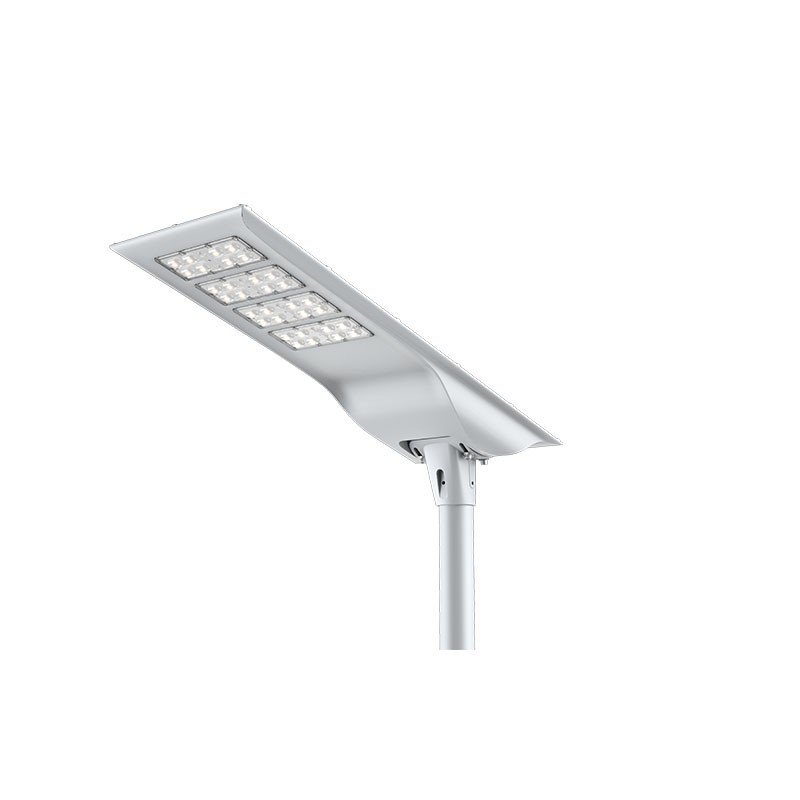

For those who are thinking about larger-scale solar applications, like powering a small shed or a cabin, a 30W panel might not be enough on its own in winter. In such cases, you might want to consider using multiple panels or combining them with other power sources.
Now, I'd like to mention some of our other solar products. We also offer 80Watt Solar-Powered LED Street Lamp, 80Watt High Quality Solar Street Light, and 60Watt Solar Street Light Pole. These products are designed to provide reliable lighting solutions, even in challenging weather conditions.
In conclusion, a 30W UFO solar panel can definitely be used in winter, but its performance will vary depending on the location and weather conditions. It's a great option for small-scale applications and can still contribute to your energy needs during the colder months.
If you're interested in purchasing our 30W UFO solar panels or any of our other solar products, feel free to reach out for a procurement discussion. We're here to help you find the best solar solutions for your needs.
References
- Solar Energy Industries Association. (n.d.). Understanding Solar Panel Performance.
- National Renewable Energy Laboratory. (n.d.). Solar Photovoltaic Technology Basics.