

Troubleshooting 30W solar lights that don't work can seem like a daunting task, but as a reliable 30W solar lights supplier, I'm here to guide you through the process step by step. Solar lights are an eco - friendly and cost - effective lighting solution, but like any product, they can encounter issues. Let's dive into the possible causes and solutions for non - functioning 30W solar lights.
1. Check the Solar Panel
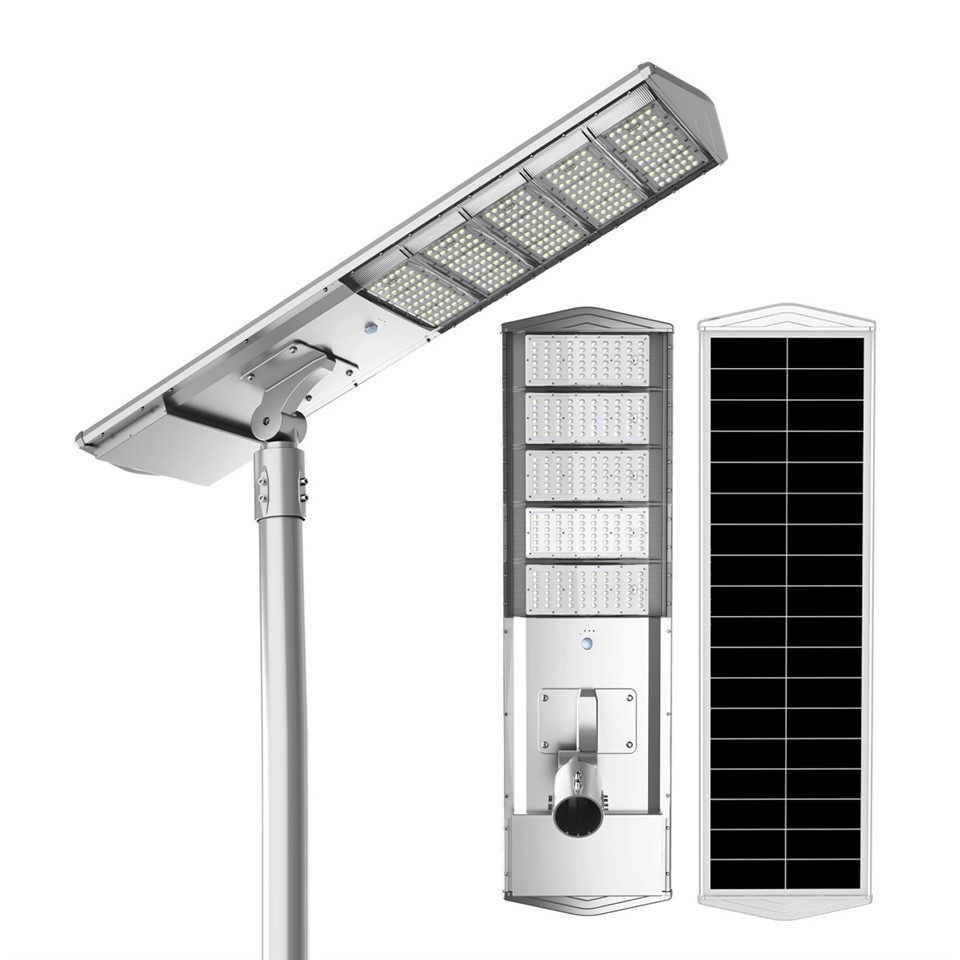
The solar panel is the heart of your solar light system as it converts sunlight into electricity. If it's not working correctly, the light won't receive enough power.
- Blockage or Dirt: Over time, dirt, leaves, or other debris can accumulate on the solar panel, reducing its ability to absorb sunlight. Inspect the panel and clean it gently with a soft cloth and mild soapy water. Rinse it thoroughly and let it dry. Make sure there are no nearby objects, such as tree branches, that are shading the panel during the day.
- Physical Damage: Examine the solar panel for any visible signs of damage, like cracks or chips. Physical damage can significantly impact its efficiency. If you find such damage, the panel may need to be replaced. Contact a professional or the manufacturer for guidance on obtaining a replacement.
- Incorrect Installation: Ensure that the solar panel is installed at the correct angle. For optimal sunlight absorption, the panel should face the sun directly as much as possible. Generally, in the Northern Hemisphere, it should face south, and in the Southern Hemisphere, it should face north. The tilt angle should also be adjusted based on your geographical location.
2. Examine the Battery
The battery stores the energy collected by the solar panel and powers the light at night. A faulty battery is a common cause of solar lights not working.

- Battery Capacity: Over time, the battery's capacity may degrade. If the light has been in use for a long time, say a few years, the battery might not hold a charge as well as it used to. You can try testing the battery voltage with a multimeter. A healthy battery should have a certain voltage range. If the voltage is significantly lower than the expected level, it's likely time to replace the battery.
- Battery Connections: Check all the battery connections to make sure they are secure and free of corrosion. Loose connections can prevent the battery from charging or discharging properly. If you find corrosion on the terminals, you can clean it with a mixture of baking soda and water, and then dry the terminals thoroughly before reconnecting.
3. Evaluate the Light Bulb
The light bulb itself can sometimes be the problem.
- Burned - Out Bulb: Inspect the light bulb to see if it has burned out. In many solar lights, the bulb can be easily replaced. You can purchase a replacement bulb that is compatible with your 30W solar light. It's a good idea to keep a spare bulb on hand for such situations.
- Bulb Compatibility: Make sure the bulb you are using is the correct one for your solar light. Using an incompatible bulb can lead to issues, such as the light not turning on or not shining brightly enough. Refer to the user manual of your solar light to confirm the correct bulb specifications.
4. Look at the Controller
The controller is responsible for managing the charging and discharging of the battery and the operation of the light.
- Malfunction: A malfunctioning controller can cause various problems, such as the light not turning on at night or staying on during the day. Some controllers have LED indicators that can show the status of the system. Check these indicators to see if there are any error codes. If the controller seems to be malfunctioning, it may need to be replaced.
- Programming Issues: Some solar light controllers allow you to program certain functions, like the duration of the light operation. Make sure the controller is programmed correctly. If you're unsure how to program the controller, refer to the user manual or contact the manufacturer for support.
5. Consider the Environment
The environment where the solar light is installed can also have an impact on its performance.
- Low Sunlight Conditions: If you live in an area with long periods of cloudy weather or the solar light is installed in a shaded area, it may not receive enough sunlight to charge properly. Try moving the solar light to a sunnier location if possible. However, be careful not to move it to a place where it is at risk of physical damage.
- Extreme Temperatures: Both extremely high and low temperatures can affect the performance of the battery and other components. In cold weather, the battery's capacity may decrease, and in hot weather, it may overheat. If possible, choose an installation location that provides some protection from extreme temperatures.
Related Products
If you're looking for more powerful solar lights based on your specific needs, we also offer a range of high - quality solar street lights. Check out our 40Watt High Quality Solar Street Lights, 80Watt Integrated Solar Street Light with Pole, and 120Watt High Power Solar Street Light. These products are designed to provide reliable and efficient lighting solutions for various settings.
Conclusion
Troubleshooting 30W solar lights that don't work involves a systematic approach of checking the solar panel, battery, light bulb, controller, and considering the environmental factors. By following these steps, you can often identify and resolve the issues. If you still have problems after trying these troubleshooting steps, don't hesitate to reach out to us. We are a dedicated 30W solar lights supplier, and we're committed to providing you with the best products and support. Whether you need further assistance with troubleshooting or are interested in our other solar light products, feel free to get in touch to discuss your needs and start the procurement process.
References
- Solar Lighting Installation and Maintenance Guidebooks
- Manufacturer's Specifications for 30W Solar Lights
- Articles on Solar Energy and Lighting Technology